
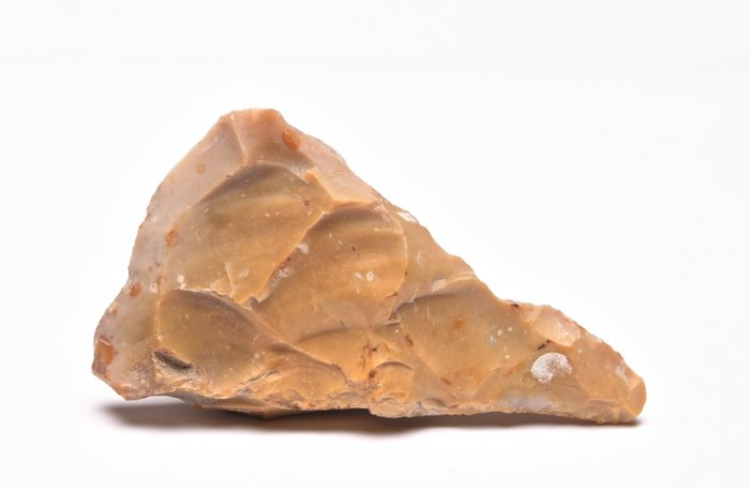
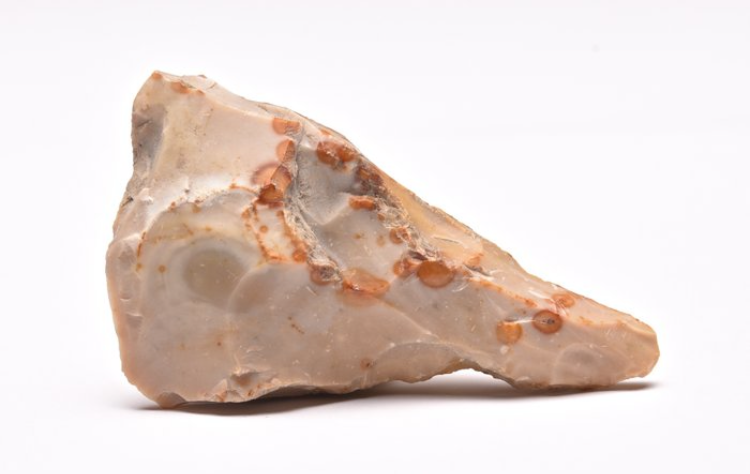
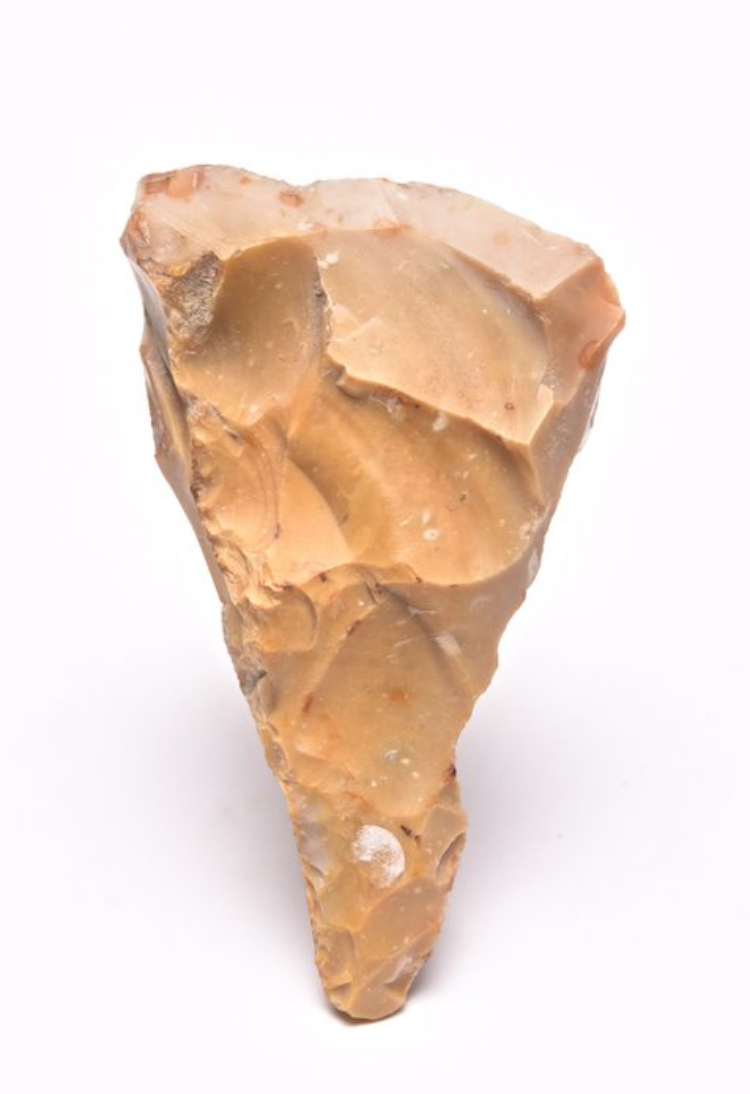
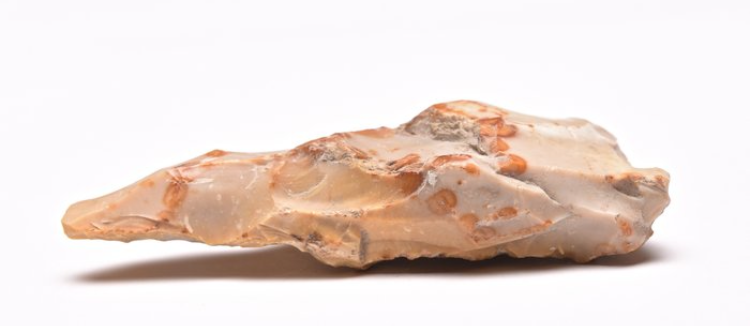
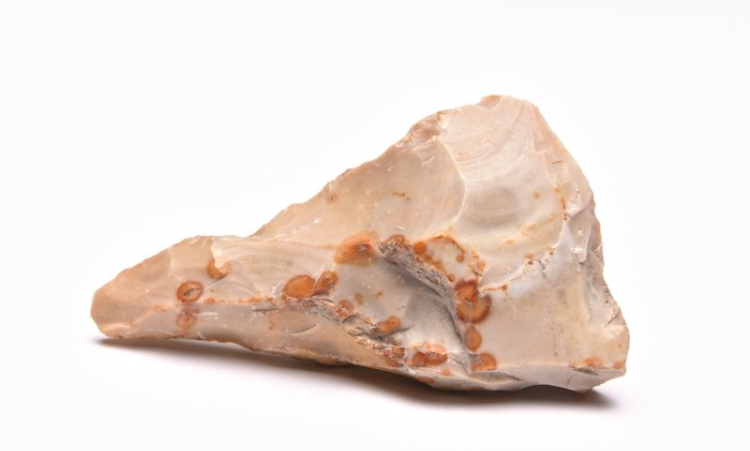

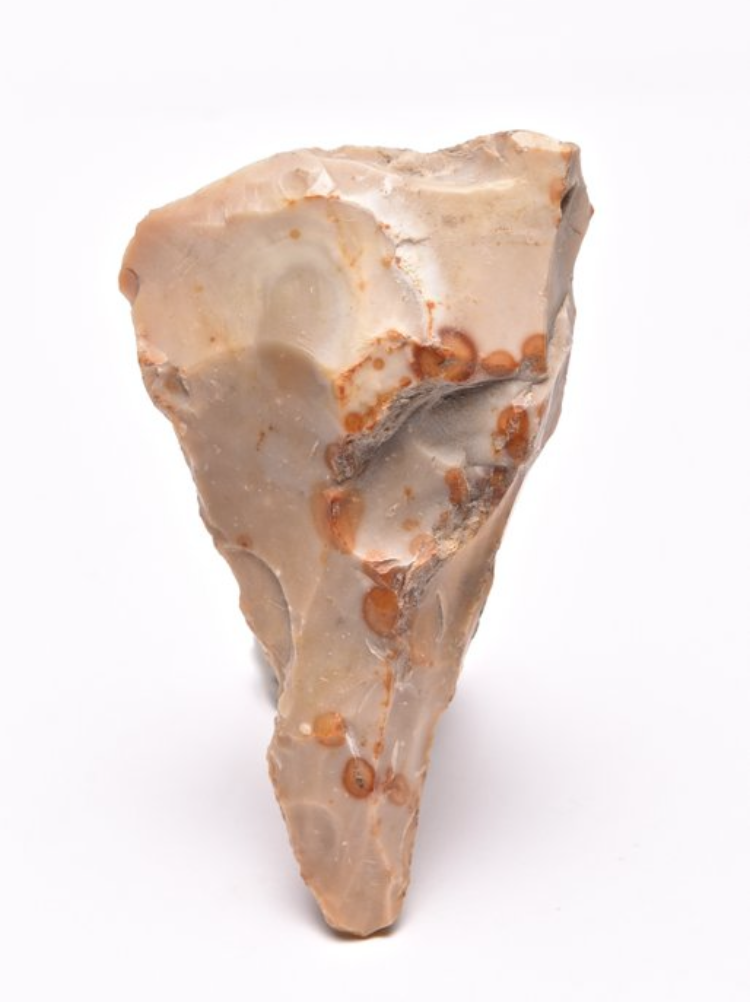
This exceptional Mesolithic flint axe originates from Denmark and dates to the late Mesolithic period, around 5300–3950 BC, associated with the Ertebølle culture. Measuring 92 × 54 mm, the piece is remarkably well preserved, reflecting high-quality workmanship and careful use. Its distinctive form and excellent condition make it a striking example of early Stone Age toolmaking in Northern Europe.
Features
• Culture: Ertebølle, Denmark
• Period: Late Mesolithic, Ertebølle culture (ca. 5300–3950 BC)
• Material: Flint
• Type: Axe
• Dimensions: 92 × 54 mm
• Weight: 92 g
• Condition: Excellent preservation
• Provenance: Acquired by the present owner in 2025 from a certified expert (certificate included)
• Certificate: Certificate of authenticity included
Historical Background
The Ertebølle culture represents a late Mesolithic society from the Danish Baltic region and marks a transitional phase toward the Neolithic way of life. While communities still relied primarily on hunting, fishing, and gathering, their tools and ceramics already show influences of emerging Neolithic technologies.
Axes such as this example were essential multifunctional tools, likely used for woodworking, food preparation, and possibly as indicators of social status. The careful shaping and fine preservation of this piece demonstrate the advanced technical skills and increasing specialization of tool production during this period.
A highly desirable and authentic European archaeological artifact, suitable for private collections, museum displays, or academic study, accompanied by comprehensive certification ensuring authenticity and provenance.



Reviews
There are no reviews yet.